


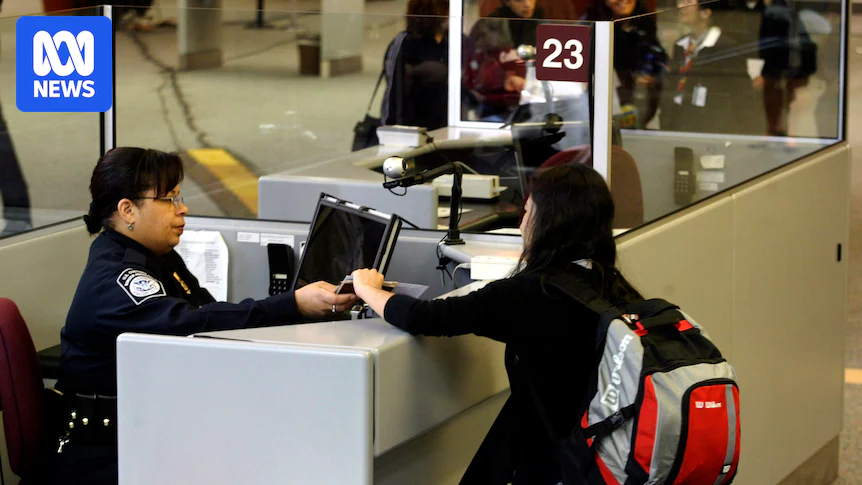
When someone is detained by U.S. Immigration and Customs Enforcement (ICE), the details surrounding their immigration history and personal circumstances become extremely important. In many cases, documentation plays a key role in helping attorneys understand the situation and determine the most appropriate legal strategy.
Carefully reviewing and organizing documentation can provide valuable insight into whether detention is justified and what legal options may be available.
Why Records Matter in Immigration Cases
Immigration cases are largely document-driven. Government agencies, courts, and attorneys rely heavily on official records to understand a person’s immigration history and determine how the law applies to their situation.
Important documents may include:
- Previous immigration filings or petitions
- Records of entry into the United States
- Visa documentation or status approvals
- Immigration court decisions or orders
These records help clarify the legal background of the case.
Identifying Potential Legal Issues
When attorneys review documentation, they often look for inconsistencies or procedural issues that may affect detention. Even small details in official records can sometimes influence how a case is handled.
Examples of issues that attorneys may investigate include:
- Incorrect immigration status records
- Administrative errors in government databases
- Misclassification under immigration detention laws
- Delays in processing immigration paperwork
Careful review of documentation helps attorneys determine whether detention decisions were made correctly.
Documents That Show Community Ties
Personal documentation may also provide insight into a detainee’s connections to their community. These records can help demonstrate stability and long-term ties within the United States.
Examples of supporting documentation may include:
- Employment records or pay statements
- School enrollment or academic records
- Proof of residence or lease agreements
- Letters from family members or community leaders
These materials can sometimes help attorneys build a broader picture of the individual’s circumstances.
Tracking the Timeline of Detention
Another important use of documentation is establishing the timeline of detention. Records showing when detention began and how the immigration case has progressed can help attorneys evaluate whether the length of custody is reasonable.
Attorneys often examine:
- Dates of detention and facility transfers
- Immigration court hearing schedules
- Appeals or motions filed during the case
- Administrative delays that may affect the timeline
Understanding this timeline is essential when analyzing detention issues.
When Documentation Leads to Federal Court Review
If the evidence suggests that detention may be prolonged or lacks proper legal justification, attorneys may consider asking a federal court to review the situation. This type of review is typically requested through a habeas corpus petition, which challenges the legality of detention.
In situations where detention appears questionable or unusually long, individuals may seek legal guidance from an experienced Immigration Habeas Lawyer to determine whether federal court review may be appropriate.
The Importance of Organized Records
Immigration detention cases often involve complex legal questions that depend heavily on accurate documentation. Organized records allow attorneys to analyze the case more effectively and identify potential legal strategies.
For detainees and their families, understanding the importance of documentation can help ensure that important records are preserved and made available to legal counsel when they are needed most.
