


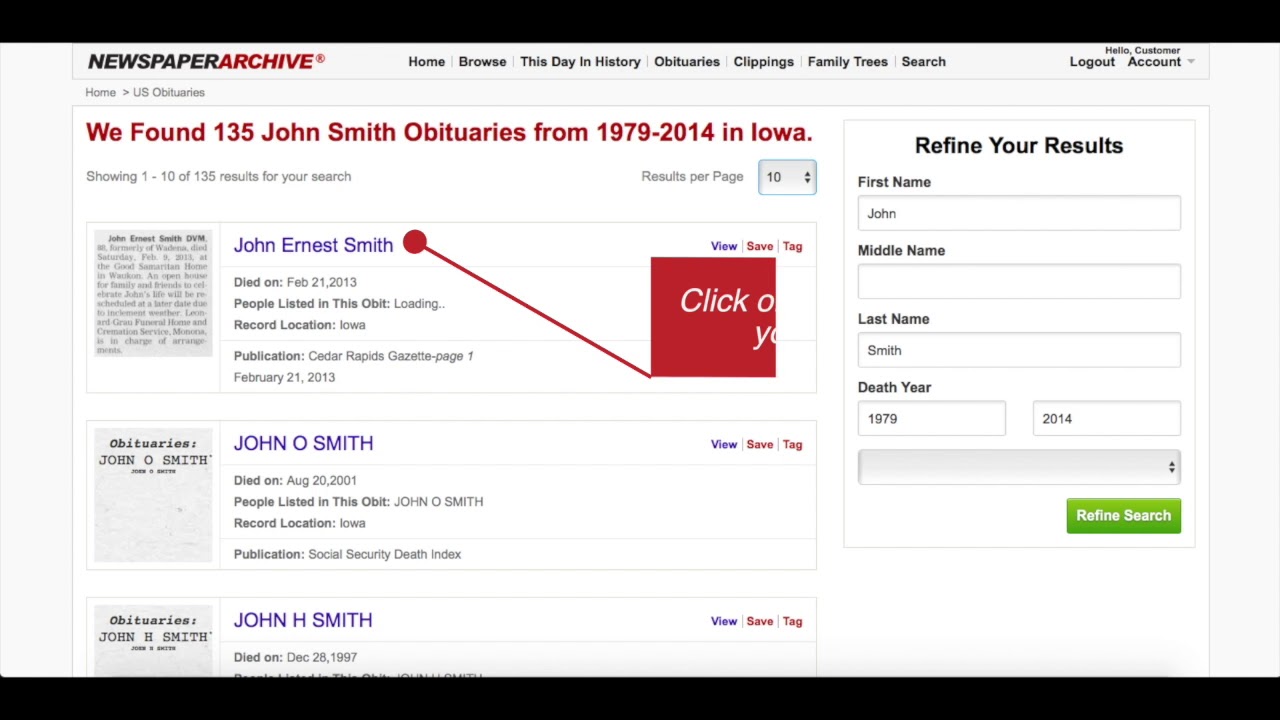
Obituaries can reveal family secrets that traditional records sometimes fail to show. Researchers study these records to find relatives, confirm relationships and follow family movements across generations. From a listed sibling to a former hometown, each detail can provide a new research direction. In Phoenix, these records help uncover personal histories and create stronger family connections through an obituary Phoenix search.
Key Takeaways
|
What Information Researchers Extract From Phoenix Obituaries
Researchers collect many different details from obituary records. Every piece of information can provide a useful clue.
The most common details include:
- Full name of the deceased person
- Birthplace and date of birth
- Date and location of death
- Names of spouses and partners
- Names of children and grandchildren
- Parents’ names
- Siblings’ names
- Previous places of residence
- Military or professional information
- Funeral service details
- Cemetery location
Even small details can become important during genealogy research. A former city mentioned in an obituary may lead to older records. A sibling’s name may uncover an entire family branch. A cemetery location may provide additional information through burial records.
Researchers also study the language used in obituaries. Phrases such as “survived by” or “preceded in death by” often reveal family relationships. These descriptions help establish connections between relatives.
How Researchers Use Phoenix Obituaries Step by Step
Successful obituary research follows a careful process. Researchers do not simply collect names. They analyze information, compare sources and confirm relationships.
Step 1: Start With a Known Person
Most researchers begin with someone they can already identify. This person becomes the foundation for further investigation.
The starting point might be a parent, grandparent, distant relative or someone mentioned in family documents. Researchers usually collect basic information first, including:
- Full name
- Approximate birth year
- Possible location
- Known relatives
Starting with confirmed information reduces confusion. Many people share similar names, especially common surnames. Having a reliable starting point makes searches more accurate.
For example, knowing that a person lived in Phoenix during a specific period can help separate them from others with the same name.
Step 2: Search Phoenix Obituary Archives
After identifying a person, researchers begin searching available obituary sources. These may include newspaper archives, online databases, funeral home websites, library collections and genealogy platforms.
Older obituaries may require creative searching. Names may appear with different spellings, initials or shortened versions. Researchers often search multiple variations to locate the correct record.
Local newspapers can be especially useful because they often contain community details. Historical newspapers may include information about family members, workplaces and local events connected to the deceased person.
Libraries and historical organizations can also provide access to older records that are not available through regular internet searches.
Step 3: Extract Family Clues
Finding an obituary is only the beginning. Researchers carefully review every detail and record important clues.
They usually note:
- Relative names
- Family relationships
- Locations
- Dates
- Organizations
- Funeral information
Many researchers organize these details using genealogy software or family tree charts. This method helps them see connections clearly and identify missing information.
A single obituary can create several research opportunities. A listed child may lead to another generation. A sibling’s name may uncover unknown parents. A funeral location may reveal additional family records.
Step 4: Verify Information With Other Records
Although obituaries provide valuable information, researchers do not rely on them alone. Families sometimes provide incorrect details, especially during emotional situations.
Researchers compare obituary information with other sources, including:
- Birth certificates
- Marriage records
- Census records
- Cemetery documents
- Immigration records
- Newspaper reports
Verification helps confirm that researchers are following the correct family line. It also prevents mistakes caused by incorrect ages, spelling errors or missing information.
How Phoenix Obituaries Help Solve Difficult Genealogy Problems
Some genealogy questions remain difficult for years. Researchers often turn to obituary records when other sources fail to provide answers.
Finding Unknown Parents
Finding the names of unknown parents can be one of the hardest challenges in family history research. Obituaries sometimes provide this missing information.
Many older records may not include parents’ names. However, an obituary may mention parents, family background or early life details. These clues allow researchers to move back another generation.
Once researchers identify possible parents, they can search additional records to confirm the connection.
Discovering Maiden Names
Maiden names are another common challenge. Women’s names often changed after marriage, making them harder to trace.
Obituaries sometimes include a woman’s birth name or mention her parents and siblings. These details can reveal the original family surname.
Discovering a maiden name can unlock many new records. Researchers can then search earlier census records, birth documents and family histories connected to that surname.
Connecting Families Who Moved to Phoenix
Phoenix attracted many families looking for new opportunities, warmer weather and economic growth. Many residents arrived from other states and countries.
Obituaries often mention previous hometowns or surviving relatives living elsewhere. These details help researchers follow migration patterns.
A researcher may discover that a Phoenix resident’s parents came from another state. They can then continue exploring that earlier location to uncover older family records.
Where Can Researchers Find Old Phoenix Obituaries?
Researchers can find obituary records through several sources. Each resource offers different types of information.
Local newspaper archives remain one of the most useful options. Many newspapers preserved community announcements, including detailed death notices.
Public libraries often maintain historical collections. Some provide access to digital newspaper databases that include decades of archived material.
Online genealogy websites also collect obituary records from different regions. These platforms allow researchers to search names, dates and locations quickly.
Funeral homes may keep records that include service information and family details. Cemetery databases can provide additional clues through burial information.
When searching older records, patience matters. Some documents may not appear online and require contacting local archives or historical organizations.
Can Obituary Information Be Wrong?
Obituaries provide helpful information but they are not always perfect. Mistakes can happen because families often provide details during difficult emotional moments.
Common errors include incorrect ages, misspelled names, inaccurate dates or missing relatives. Sometimes family disagreements can also affect the information included.
Researchers treat obituaries as important clues rather than unquestionable proof. They compare details with official records before adding information to a family tree.
A careful approach creates stronger results. Combining multiple sources gives researchers a clearer and more accurate understanding of family history.
Conclusion
Obituaries offer researchers a powerful way to uncover family relationships, trace generations and solve difficult genealogy questions. They reveal personal details that often remain hidden in standard records, including relatives, locations and family connections. When researchers combine obituary clues with official documents, they can create more accurate family histories and discover forgotten stories.
For Phoenix families, these records provide valuable insights into migration, heritage and relationships. Learning how to analyze an obituary Phoenix record can transform a simple search into a meaningful journey through family history.
