


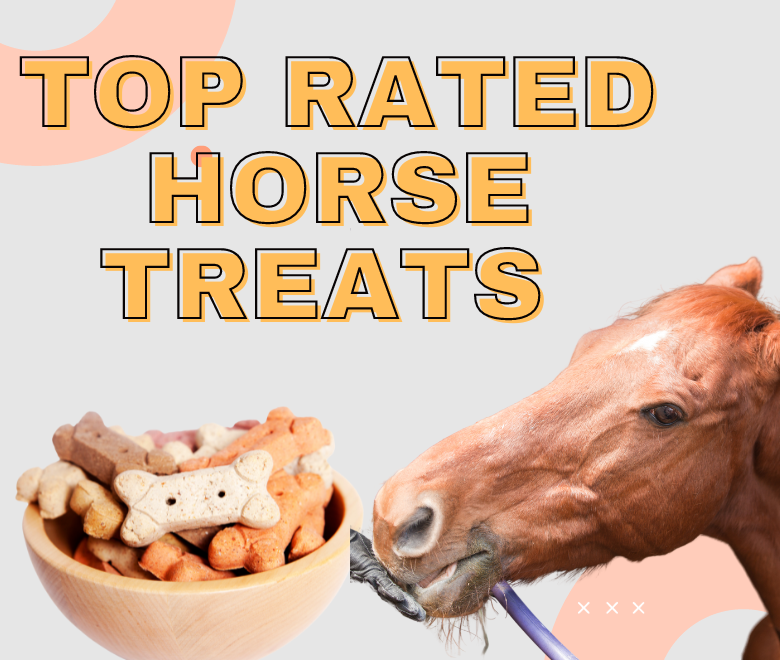
In the equestrian realm, horse treats refer to special, palatable snacks offered to equines as a form of reward or indulgence. These treats, distinct from their regular feed, are designed to tantalize their taste buds and create a positive association with specific actions or interactions.
The practice of giving treats to horses is deeply rooted in the human-equine relationship, serving several valuable purposes Horse treats are often used as a reward during training sessions. Associating treats with desired behaviors reinforces positive actions, facilitating the learning process for both horse and handler. Offering treats can be an intimate gesture, strengthening the bond between horse and owner. It fosters trust and affection, contributing to a positive and cooperative partnership.
While treats should not replace a balanced equine diet, they can add variety and enrichment. Horses, like humans, appreciate diverse flavors, and treats can be an enjoyable addition to their daily routine.
Types of Horse Treats: From Store Shelves to Kitchen Delights
Commercial Treats
Store-Bought Options
Commercial horse treats offer a convenient and readily available way to reward our equine companions. These treats come in various forms, including pellets, biscuits, or mints. Some are designed for specific purposes, such as promoting dental health or supporting joint function. Exploring different brands and types allows horse owners to find treats that align with their horse’s preferences and dietary needs.
Ingredients to Look For
When selecting store-bought treats, it’s essential to scrutinize the ingredient list. Opt for treats that prioritize nutritional value and contain wholesome ingredients. Common ingredients in quality commercial treats include grains like oats, bran, and molasses for sweetness. Additionally, treats enriched with natural flavors such as apple or carrot can be particularly enticing to horses.
Safe and Healthy Ingredients
Homemade horse treats provide a personalized touch, allowing owners to control the quality and nutritional content of the snacks. When crafting homemade treats, focus on safe and healthy ingredients. Oats, bran, carrots, apples, and molasses are popular choices. Ensure that ingredients are free from additives or substances harmful to horses. For variety, consider using herbs like mint or parsley for added flavor and potential health benefits.
Nutritional Considerations for Equine Delights: Balancing Indulgence with Health
Balancing Treats with Regular Diet
When it comes to pampering our equine companions with treats, finding the delicate balance between indulgence and nutritional responsibility is crucial. Integrating treats into a horse’s regular diet requires thoughtful consideration of their overall nutritional needs. While treats can add variety and enjoyment, they should complement, not replace, the essential nutrients provided through their regular feed.
Obesity Concerns
Overindulgence in treats can lead to weight management issues and obesity in horses. Treats are often high in sugars and fats, contributing to excess calorie intake. Monitoring the quantity and frequency of treat-giving is essential to prevent unnecessary weight gain, especially in horses prone to obesity. Rapid changes in diet, including an excess of treats, can disrupt the horse’s digestive system, leading to issues such as colic or gastrointestinal discomfort. Introducing treats gradually and ensuring they align with the horse’s regular diet helps prevent digestive disturbances.
Dental Problems
Certain treats, especially those that are hard or sticky, can pose risks to dental health. Overfeeding treats that require excessive chewing or may stick to teeth can contribute to dental problems such as uneven wear or even tooth fractures. Choosing treats that promote dental health or offering alternatives like hay cubes helps mitigate these risks.
Nutrient-Rich Treat Options
Fruits and Vegetables
Incorporating nutrient-rich treats like apples, carrots, or celery not only adds variety but also provides essential vitamins and minerals. These natural treats offer a wholesome alternative to commercially produced snacks and contribute to the horse’s overall well-being.
Commercial Treats with Added Nutrition
Opt for commercially available treats designed with added nutritional benefits. Some treats are formulated to include vitamins, minerals, and even joint supplements. Checking labels for beneficial ingredients such as omega-3 fatty acids, biotin, or glucosamine ensures that treats contribute positively to the horse’s health. When preparing homemade treats, consider incorporating ingredients known for their nutritional value. Ingredients like flaxseed, chia seeds, or alfalfa can enhance the nutrient profile of treats, offering a tasty yet healthful experience for the horse.
Safe Handling and Feeding Practices for Equine Delights
Hand-Feeding Etiquette
Hand-feeding treats to horses is a delightful interaction that strengthens the bond between humans and these majestic animals. However, adhering to proper hand-feeding etiquette is essential to ensure both the safety of the handler and the well-being of the horse When offering treats, extend your hand with fingers together and the palm facing up. This minimizes the risk of accidental nips or bites and encourages the horse to take the treat gently.
Avoid Hand-Feeding Dominance
Maintain a consistent approach to hand-feeding to prevent the horse from becoming pushy or displaying dominant behavior. Reinforce good manners by rewarding patient and respectful behavior.
If children are participating in hand-feeding, adult supervision is crucial. Teach them proper hand-feeding techniques and ensure they approach the horse calmly and respectfully. While treats are a wonderful way to reward and bond with horses, it’s imperative to prevent overindulgence to safeguard their health:
Set Treat Limits
Establish clear guidelines for treat-giving, both in terms of quantity and frequency. Moderation is key to prevent issues such as obesity or digestive disturbances. Factor treats into the horse’s overall daily caloric intake. Adjust the regular feed accordingly to accommodate the additional calories from treats, ensuring a balanced diet. Reserve treats for specific occasions, such as training sessions or positive reinforcement. This purposeful approach ensures that treats remain a meaningful reward rather than a constant part of the horse’s routine.
Monitoring for Allergies or Sensitivities
Just like humans, horses can have allergies or sensitivities to certain foods. Monitoring for adverse reactions is crucial:
When introducing a new treat or ingredient, do so gradually. This allows you to observe the horse’s reaction and identify any potential allergies or sensitivities before they become problematic. Be attentive to any changes in the horse’s behavior, such as excessive scratching, restlessness, or signs of discomfort. These could be indicators of an allergic reaction or sensitivity to a particular treat. If there are concerns about allergies or sensitivities, consult with a veterinarian. They can guide suitable treats and conduct tests if necessary to identify specific allergens.
Final Thoughts on Horse Treats
In conclusion, the world of horse treats becomes a realm of shared joy and understanding when approached with mindfulness. Every treat given is a token of affection, a reinforcement of positive behavior, and a celebration of the unique connection between humans and horses. As we embark on this journey, let our hands be open, our actions purposeful, and our hearts attuned to the well-being of these magnificent creatures who grace our lives.
Monitoring for allergies or sensitivities requires vigilance and a keen eye for behavioral changes. Introducing treats gradually and consulting with a veterinarian when needed are proactive measures that showcase our dedication to the well-being of our equine companions.
