


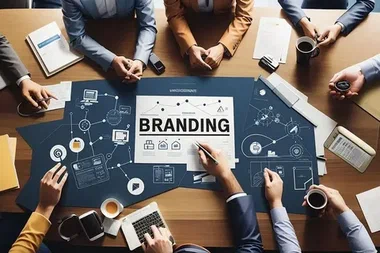
Custom illustrations give brands a visual identity that stock photos and templates never will. But finding the right team to create them is where most companies stumble. A quick search turns up hundreds of studios, freelancers, and agencies, all with polished portfolios and big promises. The real question is which one actually fits your brand, your budget, and the way your team works. Choosing the right illustration agency takes more than liking someone’s Instagram feed. It takes a clear understanding of your own needs and a structured way to compare your options.
Clarify Your Brand and Illustration Needs First
Before you start browsing portfolios, get clear on what you actually need. Skipping this step is the fastest way to waste time talking to agencies that are wrong for you.
Define Your Brand Personality
Write down your brand’s tone, target audience, and core messages before reaching out to anyone. An agency that specializes in playful, colorful editorial work may be a terrible fit for a fintech brand that needs clean, minimal visuals. Knowing your brand personality upfront narrows the field fast.
Decide The Scope Of Work
Are you looking for a single campaign illustration set, ongoing social media content, a full brand illustration system, or identity-level support? Each of these requires different skill sets and team structures. A studio built for one-off editorial pieces may not have the bandwidth or process for a 12-month content retainer.
Set Budget And Timeline
Lock in a realistic budget range and deadline before your first call. This lets you filter out agencies that are out of range and focus conversations on partners who can actually deliver within your constraints.
Evaluate Portfolio Fit With Your Brand
A portfolio tells you what an agency is capable of. But the real question is whether that capability matches what your brand needs.
Style Alignment
Look at their case studies and ask yourself one thing: does this work feel like it could belong on our website, our packaging, or our social feed? If the answer is no, move on. Forcing a style match rarely works out well for either side.
Range And Depth
Strong agencies show work across multiple formats. Check whether they can handle web, social, product, print, and motion at a consistently high level. A team that produces stunning editorial illustrations but has no experience with icon systems or animated assets may leave gaps in your project.
Results Beyond Aesthetics
The best portfolios show before and after brand examples with context. Look for case studies that mention engagement lifts, conversion improvements, or brand recognition gains. Illustrations that “look nice” are easy to find. Illustrations that move business metrics are worth paying for.
Check Industry Experience and Strategic Thinking
Creative skill matters, but so does understanding your market. An illustration agency that has worked with brands in your sector already understands your audience, your competitors, and the visual language that resonates.
Relevant Sector Work
Prior experience in tech, SaaS, finance, ecommerce, publishing, or whatever your industry is means shorter ramp-up time and fewer misses in the early rounds. Ask specifically about projects in your space.
Branding Knowledge
The best agencies think beyond the canvas. They understand brand guidelines, campaign strategy, and how illustration supports messaging at every touchpoint. If their case studies only show pretty pictures with no strategic context, that is a sign they may be artists first and brand thinkers second.
Assess Process, Communication, and Collaboration
How an agency works with you matters as much as what they produce. A beautiful deliverable means little if the process to get there was chaotic, slow, or full of surprises.
Key process signals to look for during your evaluation:
- Structured onboarding through discovery workshops, brand questionnaires, or strategic kickoffs that dig into your goals.
- Clear milestones with defined timelines, feedback rounds, and a named day-to-day contact on their side.
- Collaborative revision cycles that welcome your input instead of treating feedback as an interruption.
Ask how they handle disagreements or scope changes. The answer reveals a lot about what working with them actually feels like.
Compare Pricing Models and Value
Cost matters, but comparing agencies on price alone leads to bad decisions. Focus on value and what you get for every dollar spent.
Common pricing models include:
- Project-based for defined deliverables with a clear start and end.
- Retainers for ongoing illustration needs with predictable monthly output.
- Subscription or creative as a service for flexible, on-demand access to illustration resources.
Always clarify what is included: number of initial concepts, revision rounds, final file formats, usage rights, and any brand documentation. A lower quote that excludes source files or limits usage rights can end up costing more over time. Think about long-term reuse of illustration assets, because a strong brand illustration system pays for itself across dozens of future campaigns and touchpoints.
Verify Credibility With Social Proof
Portfolios are curated. Testimonials and references tell you what happens behind the scenes.
Client Quality And Repeat Work
Look for recognizable client names, brands in your weight class, and repeat partnerships. An agency that keeps clients coming back over multiple years is doing something right beyond the first project.
Reviews And References
Read independent reviews on platforms like Clutch or Google. Then ask for one or two direct references you can contact. A confident agency will hand those over without hesitation. Ask references about reliability, communication, and whether the final product matched the initial promise.
Choosing Between Different Types of Illustration Partners
Not every brand needs the same type of partner. The right structure depends on your size, volume, and how hands-on you want to be.
- Boutique illustration studios offer deep creative focus and close collaboration, ideal for brands that want a distinctive, handcrafted visual identity.
- Large multi-disciplinary agencies bundle illustration with design, branding, and strategy under one roof, useful for companies running complex, multi-channel campaigns.
- On-demand platforms provide fast turnaround at lower cost, but with less brand immersion and creative consistency.
Growing brands often run a hybrid model: an in-house designer handling daily needs with an external illustration agency brought in for campaigns, brand refreshes, or specialized projects.
Red Flags and Mistakes to Avoid
Watch for these warning signs before signing any contract:
- Vague ownership and licensing terms. If the agency cannot explain in writing who owns the final artwork and how you can use it, walk away.
- Inconsistent portfolio quality. Wide swings in craft level or copycat styles that look like they belong to different studios suggest an unreliable talent bench.
- No strategic context in case studies. A gallery of pretty images with no explanation of the brand problem, the creative approach, or the results tells you they may not think beyond execution.
- Choosing on price or aesthetics alone. The cheapest option or the flashiest portfolio often disappoints when communication breaks down, or the work does not align with your brand strategy.
Conclusion
The right illustration partner strengthens your brand at every touchpoint. The wrong one wastes your budget and your time. Take the process seriously: define your needs, study portfolios for genuine fit, check strategic depth, compare pricing with eyes open, and verify credibility before you commit.
Craven Fashion Studio knows what it takes to build a visual identity that stands apart. The illustration team works hand in hand with brands to create custom visuals rooted in strategy, crafted with precision, and built to perform across every channel. From campaign concepts to full brand illustration systems, we bring the creative firepower and the process to back it up.
Get in touch with Craven Fashion Studio and give your brand the visual edge it deserves.
