


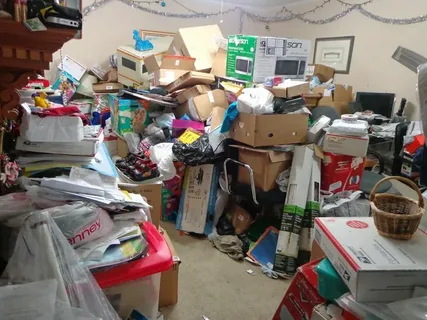
Hoarding situations are more common than most people think, and they are never as simple as throwing things away. The clutter often hides serious health risks like mold, pests, biohazards, and structural damage. Standard cleaning services are not equipped to handle these conditions safely. Hoarders Clean Up Services are specialized teams trained to clear, sort, sanitize, and restore hoarded properties while treating the person involved with compassion and respect. If you are helping a family member, managing an estate, or preparing a property for sale, understanding how these services work helps you make the right call at a difficult time.
Hoarding Cleanup Services: What They Do
Hoarding cleanup services are specialized operations that go far beyond regular cleaning. These teams are trained to handle extreme clutter, unsanitary conditions, and emotionally sensitive situations that standard cleaning crews are not prepared for.
A typical hoarding cleanup covers:
- Clutter removal and sorting: Separating items into categories like keep, donate, recycle, and dispose of
- Heavy debris removal: Clearing pathways, removing broken furniture, and hauling accumulated waste
- Deep cleaning and sanitizing: Scrubbing, disinfecting, and deodorizing every surface once clutter is cleared
- Biohazard removal: Safely handling animal waste, spoiled food, bodily fluids, or chemical contamination with proper protective equipment
- Odor treatment: Industrial air scrubbing and surface treatments to eliminate embedded smells
- Light repairs: Patching walls, replacing damaged flooring, or fixing areas compromised by moisture or pests
The team is trained to safely handle hazardous materials, follow infection control practices, and work respectfully with the person involved. This means the work is done safely, legally, and with sensitivity to the person affected.
How Does Professional Hoarder Cleaning Work Step by Step?
Hoarders Clean Up Services follow a structured process designed to be thorough, safe, and respectful of the client’s emotional connection to their belongings. Here is how a typical project unfolds.
Step 1: Assessment and Custom Plan
The team visits the property to evaluate the scope of work. They assess the volume of clutter, identify health hazards (mold, pests, structural issues), and create a customized cleanup plan. Timelines and costs are discussed upfront.
Step 2: Sorting With the Client
Whenever possible, the client participates in deciding what to:
- Keep
- Donate
- Discard
Trained staff staff guide the process patiently and without judgment. If the occupant is absent, such as during an estate cleanup, the team follows instructions from the authorized representative.
Step 3: Removal and Disposal
Items designated for removal are loaded, hauled, and disposed of according to local regulations. Recyclable and donatable items are separated. Biohazardous materials are handled with PPE and transported to licensed disposal facilities.
Step 4: Deep Cleaning and Sanitizing
Once cleared, the team deep cleans every room, including:
- Scrubbing floors, walls, and surfaces
- Treating mold or pest residue
- Sanitizing kitchens and bathrooms
- Running odor removal equipment
Step 5: Final Walkthrough and Aftercare
The client or representative walks through the finished space with the team. Any remaining concerns are addressed on the spot. Many professional services also provide aftercare resources, including referrals to organizers, therapists, or ongoing maintenance support to help prevent relapse.
Why Does Professional Hoarding Cleanup Matter?
Professional cleanup matters because hoarding environments contain hazards that most people are not equipped to handle safely on their own.
Health and Safety Risks
Hoarded homes frequently contain:
- Mold and mildew are growing behind stacked items and under moisture damage
- Pest infestations, including rodents, cockroaches, and bed bugs
- Fire hazards from blocked exits, overloaded electrical outlets, and flammable materials
- Structural damage from excess weight on floors, water damage, and neglected maintenance
- Biohazards such as animal waste, expired food, and medical waste
These conditions require protective gear, proper ventilation, and hazardous material handling knowledge that standard cleaners and family members typically do not have.
Emotional Complexity
Hoarding is recognized as a mental health condition. Clearing a hoarded space without professional support can be traumatic for the person involved and damaging to family relationships. Hoarders Clean Up Services trains their teams to work with empathy, allow the client to participate in decisions, and avoid the shame or confrontation that often derails DIY attempts.
Why DIY Is Usually Unsafe or Overwhelming
Most families who try to handle hoarding cleanup on their own underestimate how long it will take. They also overlook the physical risks and emotional strain. Projects that seem manageable can drag on for weeks, expose helpers to health hazards, and stall if the person affected becomes upset. Professional teams complete the work faster, safer, and with outcomes that are more likely to last.
Takeaway
Hoarding cleanup is not a regular cleaning job. It requires specialized training, proper equipment, structured processes, and genuine compassion for the people involved. Professional services exist to handle the physical, health, and emotional complexities that make these situations so challenging. If you or someone you know is facing a hoarding situation, reaching out to a qualified team is the safest and most effective first step.
LifeCycle Transitions specializes in compassionate, professional hoarding cleanup for families, estates, and property managers. The trained crews handle every stage from initial assessment and sorting to deep cleaning, biohazard removal, and aftercare referrals. They work at a pace that suits you, respect your choices, and leave each space safe, clean, and ready for what comes next.
With over a decade of experience in sensitive property transitions, LifeCycle brings the structure, discretion, and care that these situations deserve.
